

Natural and Botanical Lubes: What to Look For (and What to Avoid)
The intimate lube aisle has changed dramatically. Where once your options were limited to a handful of basic formulations, you now have access to an expanding world of botanical and plant-based lubes—pleasure potions formulated with botanicals and plant medicine that do far more than simply reduce friction. Which is wonderful. And also potentially overwhelming.
Here's what I've learned in my years working as a sex educator and botanical medicine clinician: the products we use on our most intimate tissue matter profoundly. Your vulva and vagina aren't like the skin on your arm. They have a delicate microbiome. A specific pH balance. Mucous membranes designed to absorb what comes into contact with them. This means the "just grab whatever's on the shelf" approach can backfire. The right botanical intimate oil can enhance sensation, support your body's natural chemistry, and make sex genuinely pleasurable. The wrong one might disrupt your pH, irritate delicate tissue, or just feel mediocre. So let's talk about how to choose wisely.
Why People Are Switching to Botanical Lubes
The shift toward botanical and natural intimate products reflects something important: a deeper understanding about what we're willing to put on and in our bodies. Many people are understandably cautious about products containing petroleum derivatives, synthetic fragrances, parabens, and preservatives on such sensitive tissue. These ingredients can feel foreign. They can disrupt the vaginal microbiome in some people. They can cause irritation. And for many, they simply don't align with values around natural living and body care.
There's also something specific about glycerin—a humectant used in many conventional lubes to create a slick texture. Glycerin can feed yeast cells in the vagina, potentially promoting yeast infections in people prone to them. If you've experienced a yeast infection that seemed to follow lube use, this is likely what happened. Botanical lubes that avoid glycerin offer a genuine alternative for these individuals—it's not about being precious or overthinking it, it's about a real concern that affects real people.
But beyond avoiding problematic ingredients, people are drawn to botanical lubes because they can actually do something. A lube infused with warming ginger increases circulation and sensation. One formulated with CBD offers anti-inflammatory and pleasure-enhancing benefits grounded in plant magick and emerging research. A lube with cacao contains natural compounds that enhance mood and arousal. These aren't inert products—they're designed to work with your body's natural responses and enhance your experience. That's the whole point, honestly.
Understanding Your Base Oil: The Foundation of Botanical Lubes
At the foundation of any botanical intimate oil is the base oil—the primary carrier that creates the slip and glide you're seeking. Understanding different base oils helps you choose products that work with your body rather than against it.
MCT oil (medium-chain triglyceride oil, often derived from coconut) is one of the most popular choices for botanical intimate lubes, and with good reason. MCTs are easily absorbed by skin, don't leave a heavy residue, and create excellent glide without stickiness. They're relatively tasteless and odorless when unflavored, which makes them versatile. MCT oil is generally well-tolerated by vulvular tissue and doesn't tend to disrupt vaginal pH the way some other oils might. It's a solid choice.
Fractionated coconut oil is similar to MCT oil—light, absorbs well, creates good glide. Some people prefer it because of associations with whole coconut. But here's something important to know: unfractionated whole coconut oil can be problematic for people prone to yeast infections, as it can feed yeast growth. Fractionated versions are less likely to have this effect. So if you're susceptible to yeast infections and love coconut, fractionated is your friend.
Other botanical base oils—jojoba, sweet almond, grapeseed—can all work for intimate lubrication, though they tend to be heavier and may leave more residual feel on skin. Some people love this. Others find it uncomfortable. Personal preference and individual tissue response matter enormously here.
What to avoid: base oils derived from petroleum products like mineral oil or silicone-based lubes. They have their place, but they're not plant-derived and they don't align with the botanical approach you're seeking.
Beneficial Botanicals and What They Actually Do
Once you have a quality base oil, the real plant magick happens in the botanicals added. Understanding what different plant ingredients do helps you choose lubes aligned with your specific goals and body responses.
Ginger is one of the most popular botanicals in intimate lubes, and for good reason. Ginger is warming. It increases circulation. It enhances sensation and arousal in ways that feel noticeably different—you'll feel a gentle heat building in the vulva, increased sensitivity, almost a humming sensation. For people looking to increase blood flow to the vulva, enhance sensitivity, and bring more warmth and intensity to sensation, ginger lubes are genuinely excellent. The warming sensation is usually subtle rather than intense, but it's noticeable and pleasurable. If you enjoy heat in your intimate products, a ginger-infused lube can deliver exactly that.
CBD (cannabidiol) is increasingly present in botanical intimate products, and research suggests legitimate benefits. CBD is anti-inflammatory, which can help ease tension in the pelvic floor and surrounding tissue. It may enhance arousal and pleasure, particularly for people with anxiety around sex. It doesn't have psychoactive effects—it won't get you high—but it can help your nervous system relax into pleasure. For people who experience tension, anxiety, or difficulty with arousal, CBD-infused pleasure potions can be genuinely helpful. The best formulations use full-spectrum or broad-spectrum CBD (which contains beneficial plant compounds alongside CBD) rather than isolate.
Cacao is a mood-enhancing botanical with compounds that increase dopamine and serotonin. Beyond the mood benefits, cacao can enhance arousal and bring a subtle sweetness to the intimate experience. Some people love cacao-infused lubes for the sensory experience as well as the biochemical effects. The aroma alone can be arousing.
Damiana is a traditional plant used in herbalism for its aphrodisiac properties. It's believed to enhance arousal and sensation, though research is more limited than it is for ginger or CBD. Many people report enjoying the effects when used in intimate products, and there's something to honoring traditional plant medicine knowledge.
Essential oils like ylang ylang, jasmine, and rose are sometimes included for their arousing or relaxing scent properties. If essential oils are used, they should be present in very small quantities and ideally diluted in a carrier oil rather than added at full concentration. Pure essential oils can irritate sensitive vulvular tissue.
What to Actively Avoid: Ingredients That Don't Belong
Knowing what to look for is important, but knowing what to avoid is equally crucial. Several ingredients commonly found in conventional lubes can cause problems for sensitive tissue.
Glycerin—I mentioned this earlier, but it bears repeating—is a sugar-based ingredient used in many conventional lubes because it creates a slick texture. However, glycerin feeds yeast in the vagina, making it problematic for people prone to yeast infections. If you're susceptible, avoiding glycerin-based lubes is important. Botanical lubes often skip glycerin entirely in favor of pure plant oils, making them better choices.
Parabens are preservative chemicals used in many personal care products, including lubes. They're included to prevent bacterial and fungal growth. However, parabens can disrupt hormonal balance in some people and may irritate sensitive tissue. Additionally, many people simply prefer to avoid them if alternatives exist. Look for lubes preserved with natural preservatives or other antimicrobial approaches.
Synthetic fragrances are common in lubes marketed with names like "passion fruit" or "vanilla." These are synthetic chemical combinations that can irritate sensitive tissue and disrupt the vaginal microbiome. If you want scent in your intimate lube, look for products scented with essential oils or natural botanical extracts rather than synthetic fragrance compounds. Better yet, choose unscented options.
Petroleum-derived ingredients—mineral oil, petrolatum, paraffin—have no place in intimate lubes formulated for the vulva and vagina. These ingredients can coat tissue and prevent proper moisture absorption, can disrupt the microbiome, and don't align with botanical formulations.
Nonoxynol-9 (N-9) is a spermicide sometimes added to lubes. While it has contraceptive benefits, it can irritate sensitive tissue and increase infection risk. If you're seeking lubrication and not contraceptive protection, avoid N-9 products.
Artificial sweeteners and sugar-derived ingredients beyond glycerin can feed problematic microorganisms in the vagina. Skip lubes marketed as "flavored" if you're concerned about yeast infections or bacterial overgrowth.
Oil-Based vs. Water-Based: Practical Considerations That Matter
Most botanical intimate lubes are oil-based, which comes with some practical considerations worth understanding. Oil-based lubes last considerably longer than water-based during sexual activity. You don't need to reapply as frequently during extended sex. This can be wonderful for comfort and pleasure. However, oil-based lubes can stain clothing and bedding if you're not careful. And—this is important—they don't work well with latex condoms or latex gloves, as oils break down latex. If you're using condoms, you'll want a water-based or silicone-based lube instead.
Water-based lubes wash off easily, don't stain, and work with all types of condoms and toys. However, they tend to dry out faster than oil-based lubes, requiring more frequent reapplication during extended activity. Many people choose to have both on hand—a botanical oil for oil-compatible situations and a water-based option for condom-inclusive scenarios.
Choosing Quality: What to Actually Look For
When evaluating a botanical intimate lube, look for these markers of quality.
A short, readable ingredient list is a good sign. If you can't pronounce most of the ingredients or you don't recognize them, that's a red flag. Quality botanical lubes use recognizable plant-derived ingredients without a long tail of chemicals you've never heard of.
Transparency about botanical sourcing is valuable. Does the product specify where botanicals come from? Is there information about extraction methods? Reputable brands provide this detail because they're proud of their sourcing and want you to understand what you're buying.
Third-party testing or certifications—like organic certification if applicable—provide assurance that the product has been tested and verified to contain what it claims. This is particularly important for CBD products, where quality and concentration can vary wildly.
Reviews from people with similar needs to yours are genuinely helpful. If you're prone to yeast infections and want to avoid glycerin, find reviews from others navigating that. If you're interested in the warming effect of ginger, look for reviews describing sensation changes.
Body-safe material in packaging is underrated but important. Glass containers are ideal for intimate products—they don't leach chemicals and preserve product integrity. If the product comes in plastic, look for BPA-free formulations.
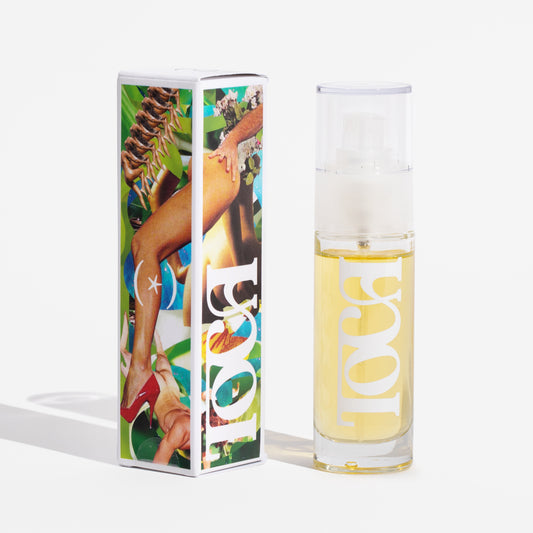
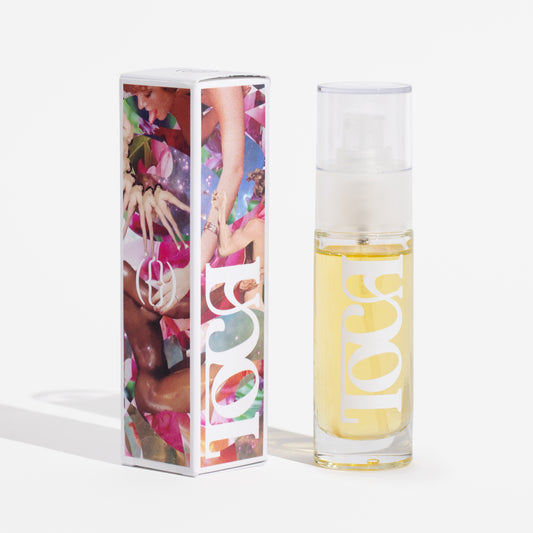
Discover thoughtfully formulated botanical lubes: Quality matters when choosing an intimate oil. Look for products made with recognizable plant-based ingredients, beneficial botanicals like CBD or ginger, and transparent sourcing. A botanical intimate oil designed specifically for the vulva and vagina—free of glycerin, parabens, and synthetic fragrances—can enhance both comfort and pleasure while respecting your body's natural chemistry.
Botanical Lubes as Part of a Conscious Intimate Practice
Choosing a botanical lube aligned with your values and body is part of a larger practice of bringing intention and awareness to your intimate life. It's recognizing that the products you use on your body matter. That your preferences and values deserve to be honored. That pleasure and wellness go hand in hand—they're not separate things.
A quality botanical intimate oil becomes part of the ritual and experience of sex, not just a functional tool. The scent. The sensory experience of applying it. The knowledge that you're using body-safe plant ingredients. All of this adds to the overall experience. Sex becomes not just about physical mechanics but about how you feel in your body, how safe you feel, how intentional you're being. That's the difference between lube as a product and lubrication as a devotional act.
Expanding Into Broader Botanical Practices
If you're drawn to botanical intimate lubes, you might also explore other plant-based approaches to sexual wellness. There's a rich herbalist tradition around sexuality—from formulations designed to enhance arousal to botanicals that support reproductive health. A botanical lube becomes part of a larger ecosystem of plant medicine and intentional pleasure-seeking rather than a standalone product. You're not just buying a product. You're entering a philosophy of plant magick, of honoring your body, of sexploration as a form of self-care.
Common Questions About Botanical Lubes
Can you use botanical oil lubes with condoms?
No, if your lube is oil-based (including botanical oils), it can degrade latex condoms and reduce their effectiveness. Oil and latex don't mix. If you're using latex condoms, choose a water-based or silicone-based lube instead. Botanical oil lubes work beautifully with non-latex condoms (polyisoprene or polyurethane) or in non-condom scenarios.
Is organic certification important in botanical lubes?
Organic certification provides assurance that botanicals were grown without synthetic pesticides or fertilizers, which is valuable if you want to avoid those substances. However, not all quality botanical lubes are certified organic. What matters most is transparency about sourcing and whether the product is free of the concerning ingredients (glycerin, parabens, synthetics) you're trying to avoid.
Can botanical lubes cause allergic reactions?
Botanical ingredients can cause allergies in some people, just like any substance. If you have known allergies to specific plants—for example, if you're allergic to coconut, ginger, or other ingredients—avoid lubes containing those botanicals. When trying a new botanical lube, patch test on a small area first or use in a context where you can easily stop if irritation develops.
Do botanical lubes stain bedding?
Yes, oil-based botanical lubes can stain fabrics. They wash out with proper treatment (typically hot water and good detergent), but they can leave marks if not cleaned promptly. Use darker bedding or old sheets if you're concerned, or have a designated "sex sheet" you wash immediately after use.
How long do botanical lubes last compared to water-based lubes?
Botanical oil-based lubes last considerably longer during sexual activity because they don't evaporate the way water-based lubes do. You might need to reapply water-based lube every 15-20 minutes of activity, whereas a botanical oil can last 30+ minutes or more. The longevity is one of the major advantages of oil-based lubes.
Are CBD lubes legal?
In most jurisdictions where CBD is legal, CBD-infused intimate products are legal. However, regulations vary by location. Check your local laws before purchasing or using CBD products. Additionally, quality and legality of CBD can vary, so look for products from reputable sources with third-party testing.